Is plus-expenses charter better than an inclusive price?
Plus-expenses terms suit buyers who want spending flexibility and can tolerate reconciliation. An inclusive proposal is useful only when its inclusions and limits match the intended holiday.
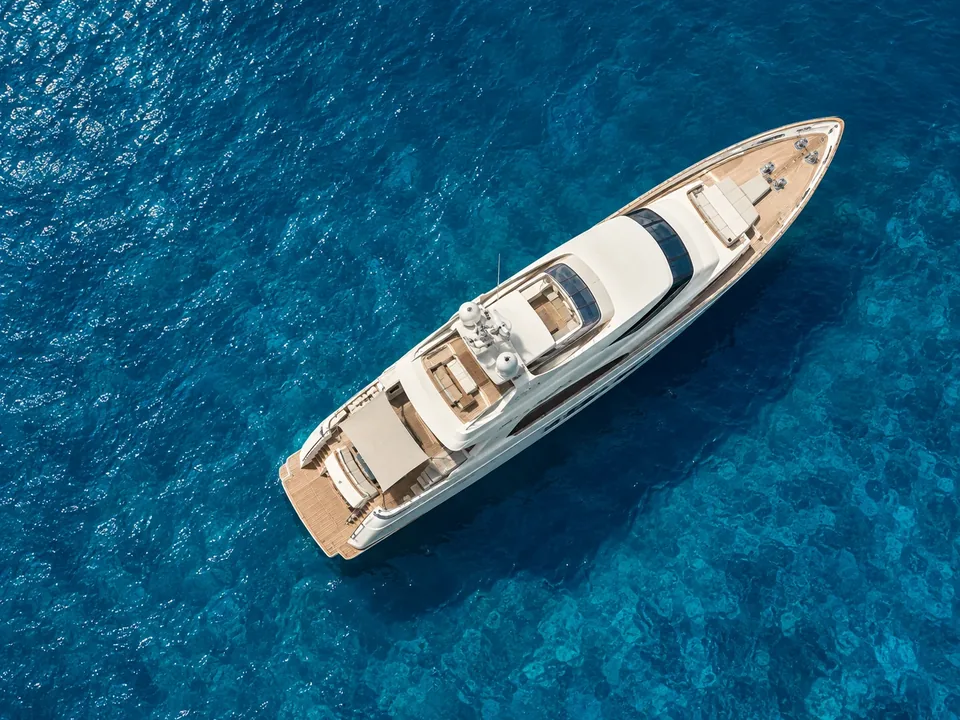
- APA is cash advanced, not automatically final expenditure.
Burgess describes an APA-funded expense model covering items such as provisioning, fuel and port charges, with accounts and top-ups where necessary. CYBA’s own process guidance cautions against unqualified “all-inclusive” language and asks brokers to explain inclusions and exclusions. (burgessyachts.com)
| Comparison | Base fee plus expenses | Inclusive price with defined exclusions |
|---|---|---|
| What to obtain | Base fee, expense categories and APA terms | An itemised inclusion schedule |
| Budget question | What will actual consumption cost? | What remains outside the package? |
| Itinerary question | How does cruising alter fuel and port spending? | Are hours, distances or cruising areas restricted? |
| Food and drink question | How are special requests priced and sourced? | What menu, bar and premium-item limits apply? |
| End-of-charter question | How are expenses reconciled and balances returned? | Which extras require settlement? |
| Best fit—our assessment | Highly personalised consumption and flexible routing | A clearly defined holiday with few premium deviations |
APA is cash advanced, not automatically final expenditure. Compare the allowance with the spending estimate; a smaller advance is not evidence of a cheaper holiday. Obtain the reconciliation method, supporting records, top-up procedure and balance-return terms. (burgessyachts.com)